Halloween Pests in the Cotswolds | AMS Pest Control
Spooky Season Pests in the Cotswolds: Real Halloween Horrors (and How to Banish Them)
Halloween is nearly here, and across Cheltenham, Gloucester and the Cotswolds, the decorations are up: cobwebs on the porch, a pumpkin on the step, a skeleton waving at the postman. But the scariest things in your home this October aren't made of plastic. They're scratching in the walls, lurking in the loft and clustering on the bedroom window.
At AMS Pest Control, we spend our working lives dealing with the real creatures of the night, from our base on the edge of the Cotswolds. So here's our tongue-in-cheek (but genuinely useful) guide to the pests that haunt homes and businesses at this time of year, what's actually going on, and what to do about it.
Rats and mice: the ghosts in your walls
That scratching, scurrying and the odd thump after dark? Nine times out of ten, it isn't a poltergeist. It's rodents.
As temperatures drop, rats and mice move indoors looking for warmth, food and somewhere quiet to nest. Cotswold stone cottages, converted barns and period properties around Cheltenham and Gloucester have plenty of nooks, gaps and old pipe runs that make perfect hideaways.
Signs to look for:
- Droppings, especially along skirting boards, in cupboards and in lofts
- Gnaw marks on food packaging, wood or cables
- Greasy smear marks along walls
- Shredded paper, fabric or insulation used for nesting
- Scratching or scampering sounds at night
A mouse can squeeze through a gap about the width of a pencil, and a rat through a hole roughly the size of a 50p coin. Sealing entry points matters just as much as dealing with the rodents themselves. Rodents chewing cables is also a genuine fire risk, so don't leave it until the new year.
Spiders: the eight-legged guests
If you've noticed more spiders lately, you're not imagining it. Autumn is when male house spiders go wandering in search of a mate, which is why you find one in the bath at 2am. He isn't there to scare you; he's just terrible at navigation.
The vast majority of UK spiders are harmless and even helpful, as they eat flies and other insects. The one that gets the headlines is the false widow, which can deliver a painful bite, though this is rare and usually mild. If you or a family member is bitten and symptoms worsen, seek medical advice.
A vacuum, a glass and a bit of card is usually all you need. If it's more of a spider infestation, that's when to give us a call.
Wasp queens: the undead of the insect world
Wasps may have disappeared from your picnic, but their queens haven't gone anywhere. Each autumn, queen wasps look for a sheltered spot to hibernate through winter, often in lofts, sheds, garages and behind fascias. In spring they wake up and start a brand-new nest.
The good news is that the old nest dies off with the cold and is never reused, so an abandoned nest in winter doesn't need treating. The better news is that spotting hibernating queens now, and dealing with entry points, can save you a big problem next summer.
Cluster flies and ladybirds: the zombies at the window
Sluggish, slow-moving flies gathering at upstairs windows on a sunny autumn afternoon are probably cluster flies. They overwinter in lofts, wall cavities and roof spaces, and tend to wake up and stumble about on warm days. Harlequin ladybirds do much the same, gathering in groups to hibernate in warm spots.
Neither is dangerous, but they can be a real nuisance, and they can stain curtains and walls. A professional treatment in autumn is far more effective than swatting your way through them in February.
Squirrels: the phantom of the attic
Heavy scampering overhead in the daytime? That's usually grey squirrels, not rats (rats are mostly nocturnal). Squirrels look for cosy lofts to nest in during colder months, and they can do serious damage by gnawing timber, tearing up insulation and chewing through wiring. Roof edges and eaves on older properties are a favourite way in.
Bats: spooky, but protected
Here's a plot twist: bats aren't pests. All UK bat species and their roosts are legally protected, and it is an offence to disturb or harm them or to block their roost. Cotswold barns, churches and old stone buildings are popular with bats.
If you think you have bats, don't try to remove them. Contact the Bat Conservation Trust helpline or Natural England for advice. And if you aren't sure what's making the noise in your roof, we can help identify the culprit before anything is done, so you never accidentally treat the wrong thing.
What's making that spooky noise?
What you're hearing
Most likely culprit
Scratching in the walls at night
Mice or rats
Heavy scampering in the loft during the day
Grey squirrels
Thumping or scrabbling in the loft at night
Rats
Light chittering around the roof edge at dusk
Possibly bats (protected, so call for advice)
Faint buzzing in a warm, quiet corner of the roof space
Cluster flies or wasps
The pumpkin problem
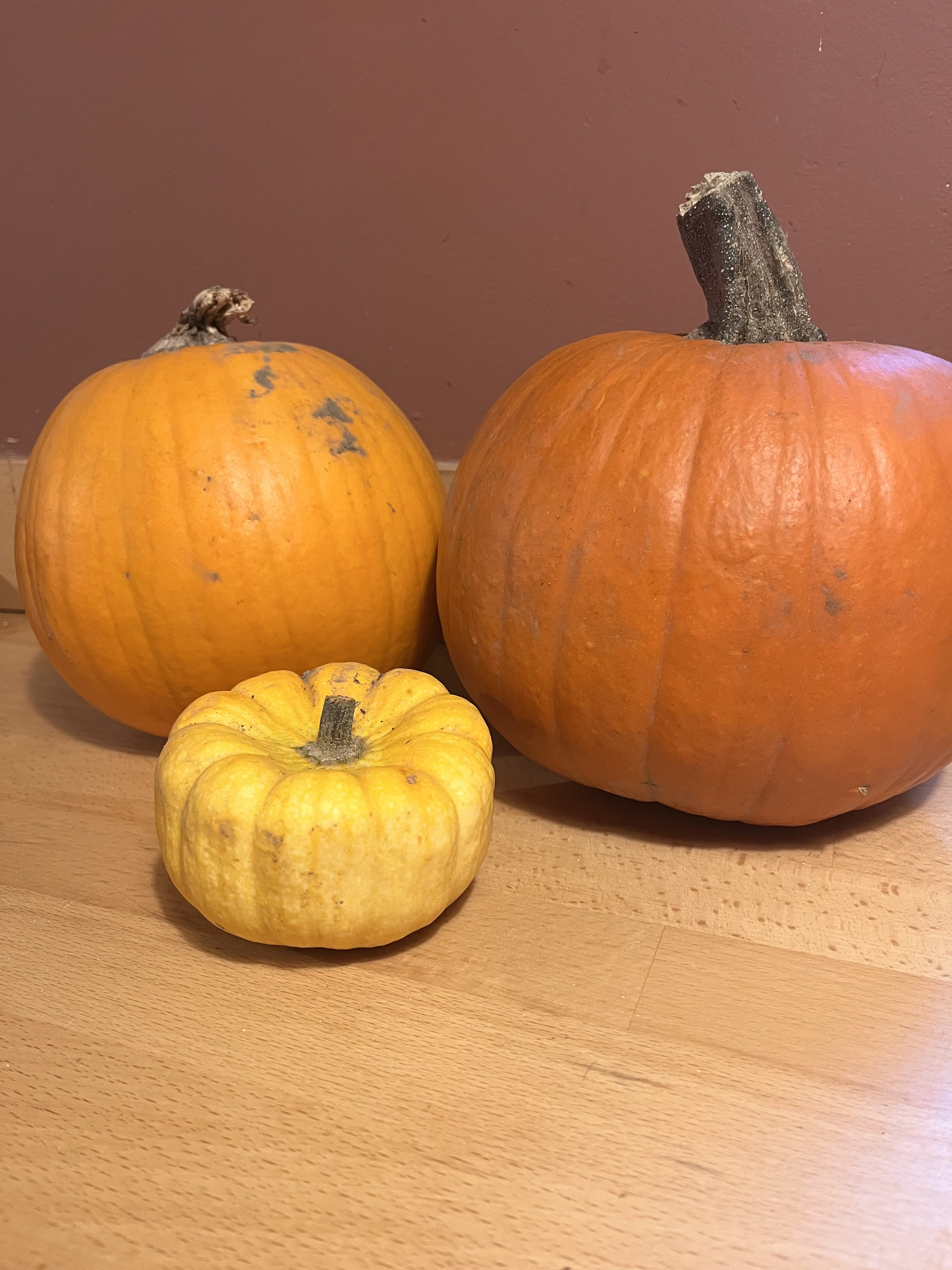
A carved pumpkin looks great for a few days. After that, it becomes a free buffet. Rotting pumpkins, sweet wrappers, bins overflowing with trick-or-treat leftovers and spilled treats can attract rats, mice, flies, slugs and, in milder weather, wasps.
To avoid unwelcome guests:
- Bring pumpkins in or compost them within a few days of Halloween, rather than leaving them to rot on the doorstep
- Keep bins closed and don't leave bags of rubbish out overnight
- Sweep up wrappers and food crumbs from the garden and doorstep
- Keep sweets and treats in sealed containers indoors
- Clear away fallen fruit and bird food that spills onto the ground
Your Halloween pest-proofing checklist
- Check for gaps around pipes, vents and doors, and seal anything bigger than a pencil width
- Fit door brushes or strips to garage and external doors
- Store food, pet food and bird seed in sealed, hard containers
- Tidy the garden: stacked wood, compost heaps and overgrown vegetation give pests a place to hide
- Check lofts, sheds and outbuildings for droppings, nests or damage
- Fix leaks, as pests are drawn to damp
When should you call in the professionals?
Some pest problems are fine to deal with yourself. Others aren't. Call a professional if you notice:
- Signs of rats or mice, especially droppings or gnawing, because rodents breed fast and can spread disease
- Noises in the loft you can't identify
- Wasps nesting in or near your property
- Large numbers of flies, ladybirds or spiders
- A commercial property, such as a restaurant, pub, shop or farm, where pests could affect your hygiene rating or reputation
We cover Cheltenham, Gloucester and the wider Cotswolds, including Cirencester, Stroud, Tewkesbury, Winchcombe and the surrounding villages. Our technicians identify the pest first, then deal with it safely, discreetly and in line with the law, and we'll always tell you how to stop it coming back.
Frequently asked questions
Are pests more active around Halloween?
Autumn is when many pests move indoors, as temperatures drop and food outdoors becomes scarce. Rodents, spiders, cluster flies and hibernating wasp queens are all more noticeable at this time of year.
Do I need pest control for spiders?
Usually not. Most UK spiders are harmless and eat other pests. If you have a large number, or are concerned about false widows, get in touch for advice.
Can you remove bats?
No. Bats and their roosts are protected by law. If you have a bat issue, we can help you identify the problem and point you to the right organisations.
How quickly can you help with mice or rats in Cheltenham or Gloucester?
We'll aim to get to you as soon as we can. Call 01789 549797 or fill in our contact form.
Don't let pests ruin your Halloween
Whether you've got something that goes bump in the night or just want peace of mind before winter, AMS Pest Control is here to help. Call 01789 549797 or get in touch online for friendly, expert pest control in Cheltenham, Gloucester and across the Cotswolds.
Happy Halloween from all of us!